

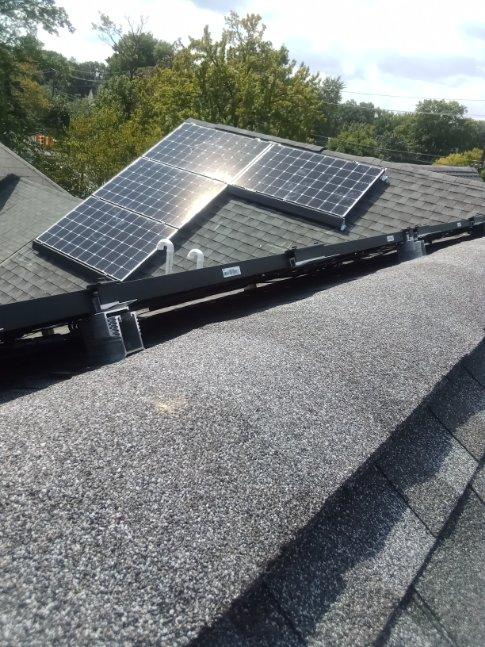
 InstallationCranford
Cranford, NJ
Solar Panel Installation and Standby Generator Installation7.875 kW and 18 kW
Client since March 2021
Solar panels reduce a home's dependence on grid electricity and deliver clean, renewable energy directly from the roof. For homeowners in Cranford, Union County, New Jersey, that means a more self-sufficient household and a long-term investment in the property. A NABCEP-certified solar installer brings the technical standard that a project like this demands, and working with a local solar installer near Cranford NJ means faster communication and accountability from people who stand behind their work.
Green Sun Energy Services, LLC is locally owned and operated and based in Middletown, NJ, in business since 2010. We are a NABCEP-certified solar installer and the best solar company in Cranford NJ for homeowners who want that level of verified expertise on their roof. We completed our first Solar Panel Installation in Cranford in 2021, serving one client in Union County. That work represents our commitment to bringing professional solar installation to every community we serve, one home at a time.
InstallationCranford Cranford, NJ
Client since March 2021
More of our work near Cranford
Garwood, NJ
Client since September 2011
Kenilworth, NJ
Client since July 2022
Roselle Park, NJ
Client since November 2024
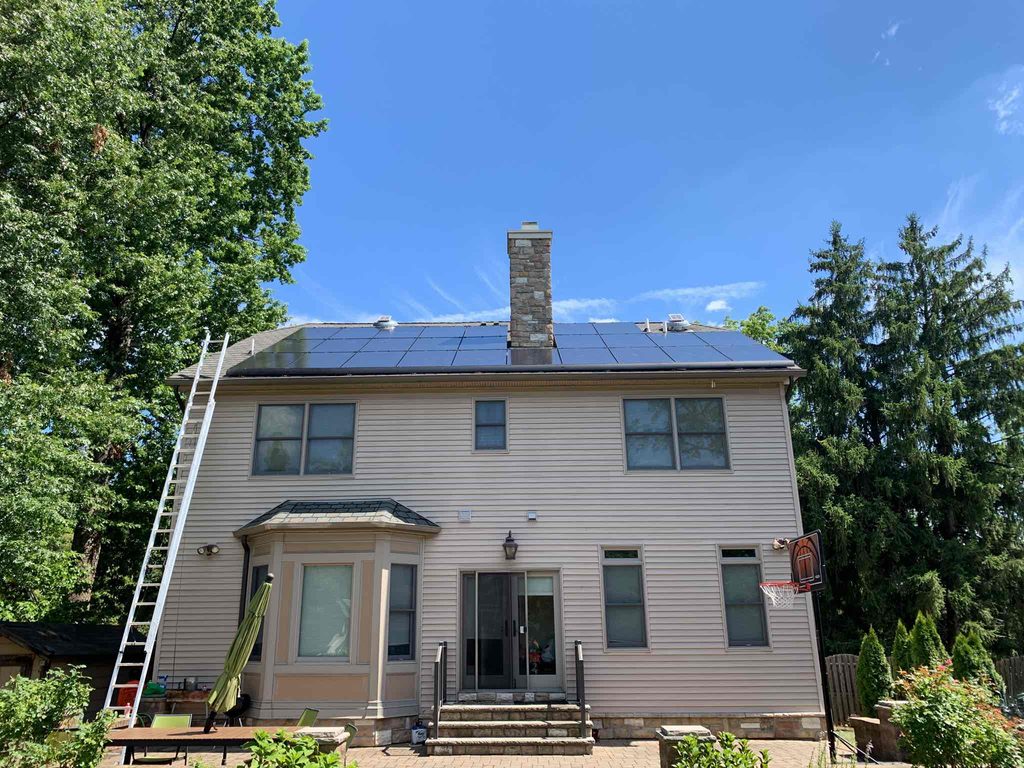 InstallationNearby · Westfield
Yes, when the well pump is included in the design. A private well pump is electric, so without power there is no running water at all -- a different order of problem from losing the lights. Homes on a well are among the clearest cases for standby power, and the pump belongs on the load list from the start.
Potentially, but a fence cannot encroach on the required airflow, exhaust and service clearances. A removable screening panel suits some installations, though technicians still need room to open the machine and work on it safely. Local zoning may separately require or regulate screening.
From the generator's demand, the available pressure, the pipe length, the allowable pressure drop, the fittings, the pipe material and every other appliance connected to the system. The adopted fuel-gas code carries the sizing requirements and tables, and the model's published fuel consumption goes into the calculation.
Yes. A permanently installed photovoltaic system normally requires construction permits under the New Jersey Uniform Construction Code. A residential project commonly involves electrical review, building and structural review, fire-access considerations and municipal inspections.
The utility has to provide metering capable of properly measuring the electricity delivered to and received from a net-metered customer. Which meter that is, and how it gets swapped, varies by utility.